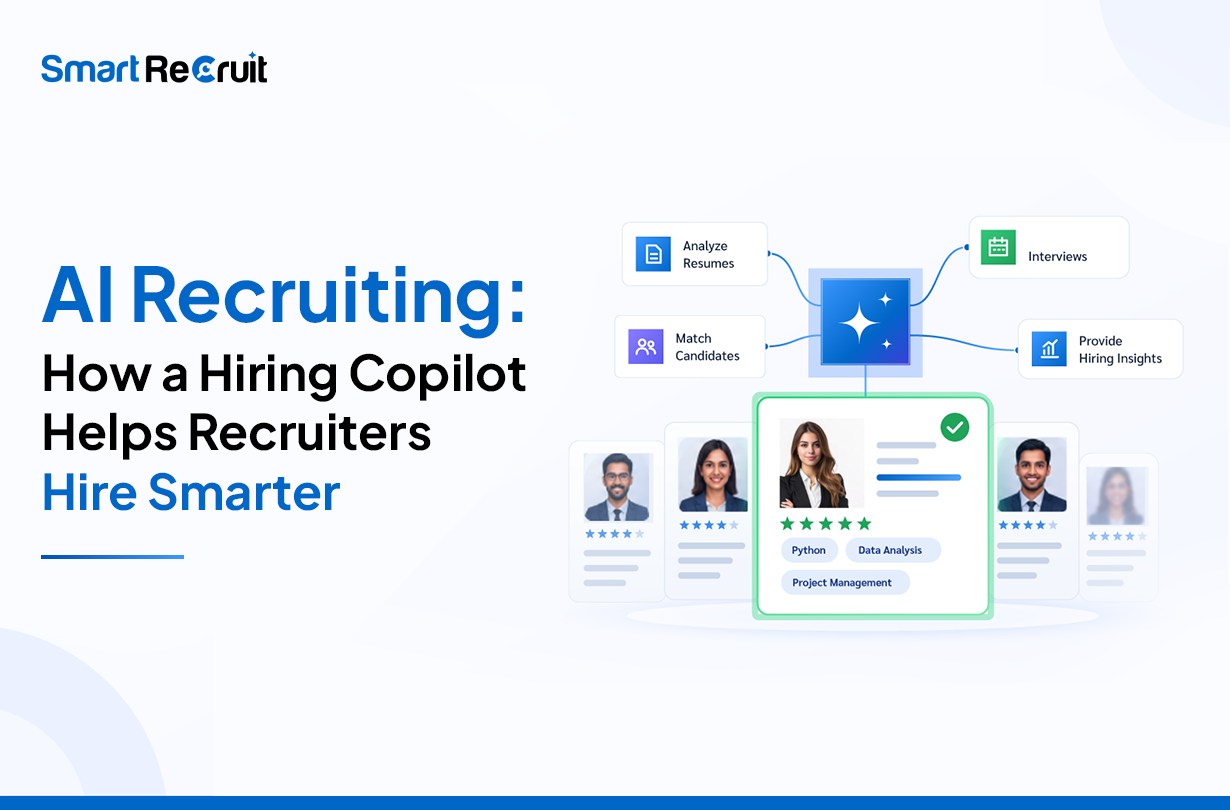
Hiring leaders rarely complain that they lack candidates. They complain that the work between application and offer eats the week: reading resumes, building shortlists, chasing calendars, writing up feedback. AI recruiting targets exactly that layer. Used well, an AI recruiting copilot takes over the repetitive handling of candidate information, so recruiters can spend their time on judgment, relationships, and decisions they can defend.
The promise is real, and so is the risk of getting it wrong. AI in recruitment can speed up screening and tighten the recruitment process, or it can quietly amplify bad filters and unchecked scores. This guide covers where it helps, where it needs human review, and how to pilot a copilot without giving up accountability for hiring decisions.
The Real Problem AI Recruiting Solves
The practical value of AI recruiting sits in the review stage. LinkedIn’s 2025 Future of Recruiting report describes AI taking on routine tasks so recruiters can spend more time on strategic work, including candidate relationships and skills-based hiring. In practice, a copilot can extract resume details, organize candidate information, and surface a shortlist against criteria the team has already defined.
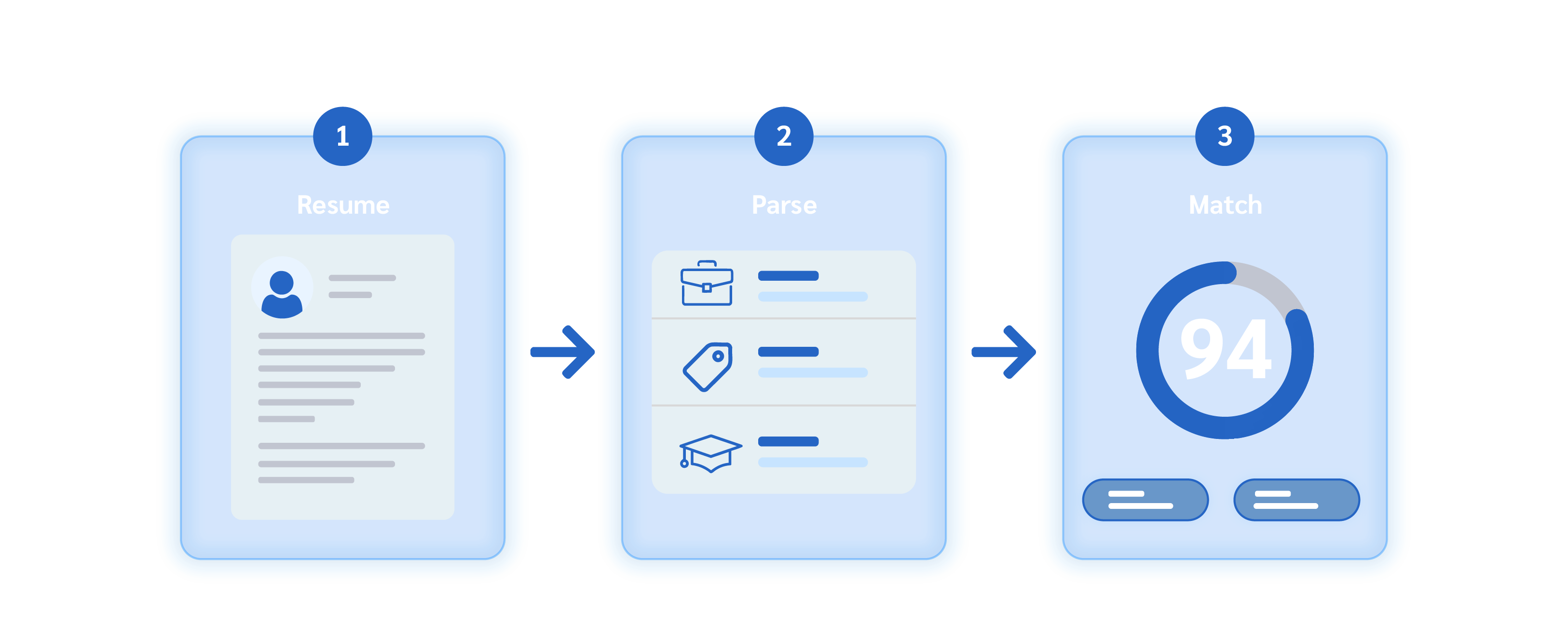
The gain comes from the criteria, not the algorithm. If the filters are too narrow, a copilot will efficiently exclude people who would have done the job well. Recruiters still need to check extracted data for parsing errors and separate essential skills from preferred traits, or the speed simply scales up a flawed screen.
Why Unexplained Scores Don’t Help Recruiters
The most useful AI recruiting tools show their work. Instead of an unexplained score, they point to evidence: if a candidate’s job title is unfamiliar, the tool can highlight the responsibilities that match the role, so a recruiter can judge the experience directly. A “strong match” label should show which skills, projects, and years of experience drove the rating. That keeps the copilot in the position of a starting point and leaves ownership of each decision with the hiring team.
A simple test applies to any use of AI in recruitment. Can a recruiter explain a recommendation using the original resume and interview responses, without leaning on the tool’stool output? If not, the tool is asking for trust it has not earned.
Why Recruitment Software Misses Good Candidates
Recruitment software earns its place by converting unstructured resumes into standardized fields that can be compared across hundreds of applicants. The comparison is only as good as the role brief behind it. A brief that separates skills a person must have from skills they can learn on the job protects strong candidates from being rejected over a missing minor qualification.
Parsing errors and incomplete profiles will still happen, which is why good recruitment software lets recruiters correct data and reopen a candidate’s case. A shortlist is not final until someone has looked at who was left out. A one-page role brief agreed with the hiring manager before sourcing starts does more for match quality than any tuning of the tool afterward. Smart Recruit, for example, parses PDF and Word resumes and matches candidates against job requirements.
Simplify resume screening and match candidates to job requirements with AI-powered recruitment automation. Contact Us.
Why AI in Recruitment Needs Structured Interviews
AI in recruitment is most defensible at the interview stage, where structure is the whole point. A structured interview organizes questions around key competencies and scores responses against them. Aspira, Smart Recruit’s interview intelligence engine, runs adaptive interviews that tailor follow-up questions to earlier answers and score candidates on specific skills.
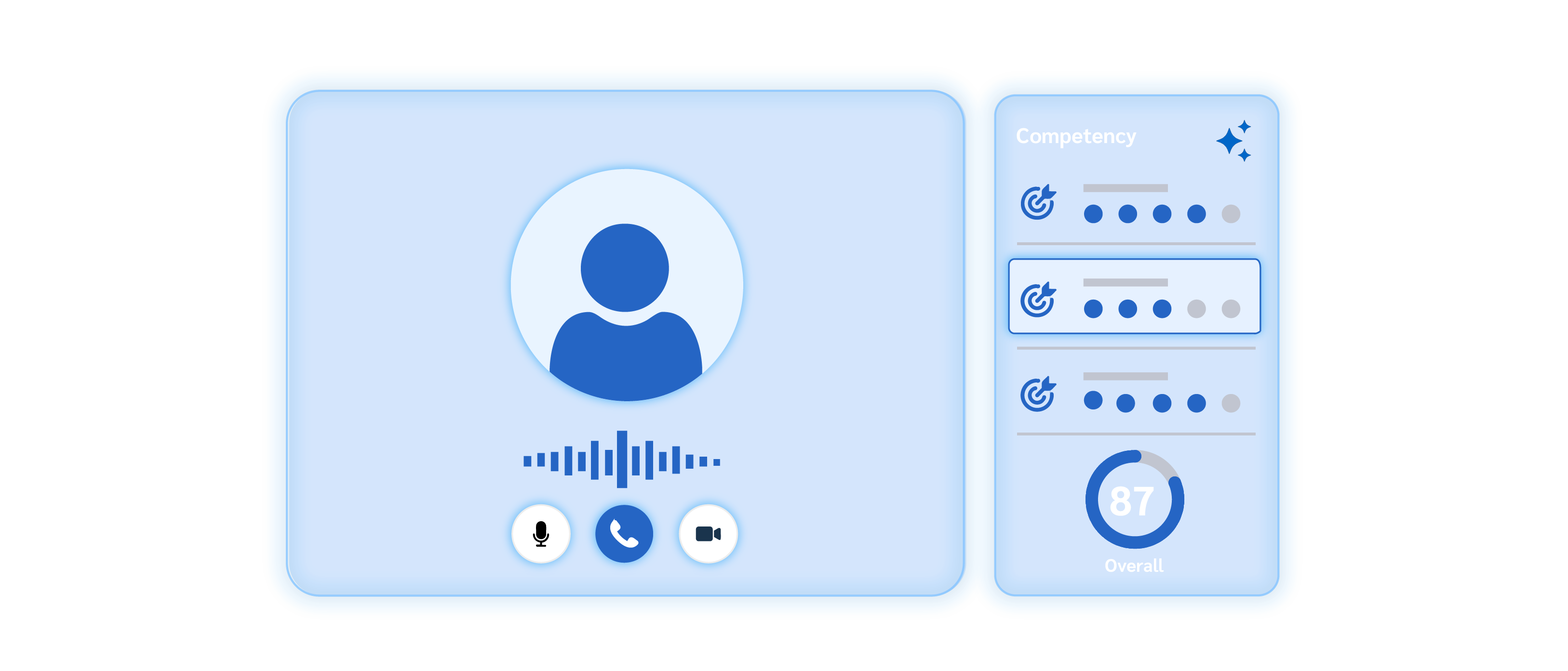
The work that matters happens before the interview. Hiring teams should define what convincing evidence looks like for each competency. For a customer-facing role, that might be how a candidate describes resolving a difficult situation or explaining a solution to someone who disagreed. Afterward, recruiters should read the actual responses, judge whether the follow-up questions were relevant, and confirm that different interview paths evaluated every candidate on equal terms.
Fixing a Recruitment Process Nobody Owns
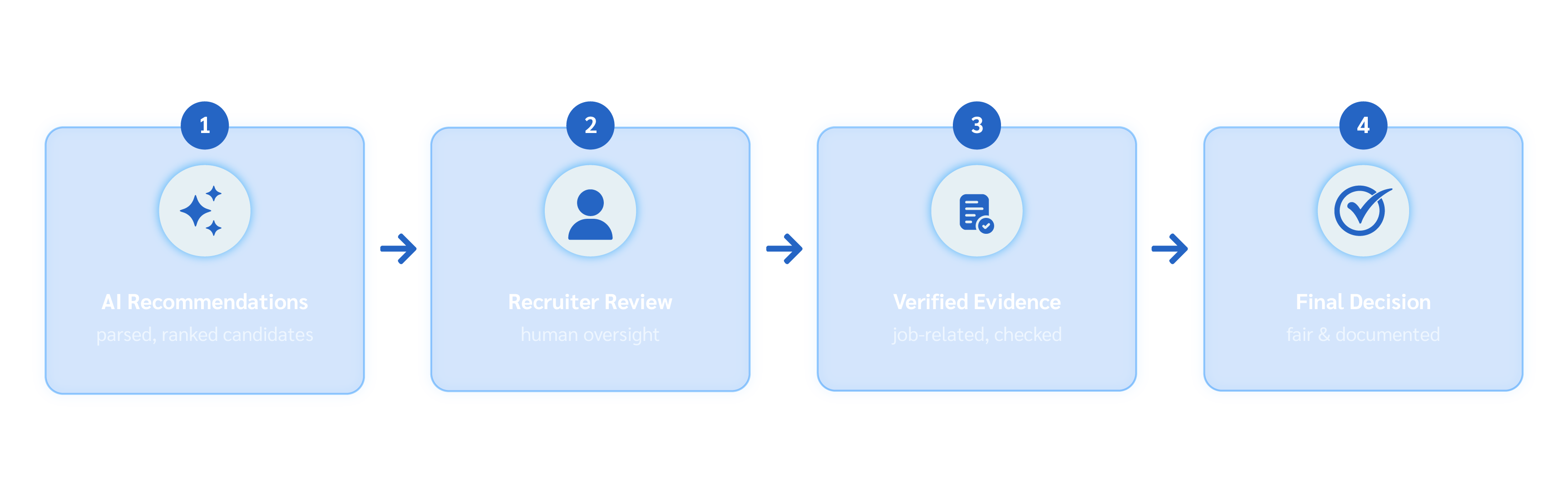
Improving the recruitment process with AI starts with naming an owner. Someone has to review AI outputs, investigate discrepancies, and document why decisions were made, because accountability cannot be delegated to a tool.
Regulators are paying attention. The U.S. Equal Employment Opportunity Commission launched an initiative on artificial intelligence and algorithmic fairness aimed at making sure AI tools used in hiring comply with federal civil rights laws. The principle travels beyond U.S. law: automation is not proof of fairness. Organizations still need transparency about how tools are used, protection for candidate data, and a way for candidates to raise concerns.
Human judgment is what keeps this honest. It means assessing job-related skills objectively, avoiding vague cultural-fit calls, and applying the same criteria to every candidate, backed by documented reasoning. For executives, the practical test is whether every AI-assisted decision could be explained tomorrow to a candidate, an auditor, or a hiring manager.
Interview Scheduling Is Rarely the Real Delay
Interview scheduling tools remove a lot of manual coordination: calendars, time zones, rescheduling, reminders. They do not remove the delays that come after the interview. Feedback that sits unsubmitted, or a decision waiting on one approver, can erase the days that faster booking saved.
Clear ownership for each stage helps: who confirms the interview, who submits feedback, and who approves the decision. Then measure the time elapsed between stages. If the gaps sit around the calendar, scheduling is the constraint. If they sit around feedback, it is a recruitment process problem that no booking tool will solve. A three-day wait for feedback costs the same as a three-day wait for a calendar slot, but only one of them shows up in the scheduling tool. Before adopting any interview scheduling tool, test it against your team’s real calendars and workflows.
How to Pilot an AI Recruiting Copilot
Treat the first rollout as a pilot, not a switch flipped across the whole recruitment process. Launch an AI recruiting pilot with one role family, set baseline metrics before the tool goes live, and agree on what success looks like.
Track review time, candidate drop-off, correction requests, and how often recruiters override the AI’s recommendations. Speed alone is not the goal; faster processing counts only if it preserves job-related evaluation and fairness. Overrides are especially useful data, since a high rate suggests the criteria or the tool needs work. Report results to leadership in the terms used for any operational change: time saved, quality maintained, and decisions that can be explained.
When AI Recruiting Isn’t Worth It Yet
AI recruiting is not the right answer to every hiring problem, and AI in recruitment pays off most where volume is high and criteria are clear. Teams that hire a handful of people a year rarely generate enough volume for automation to repay its setup effort. Roles with thin or inconsistent definitions give a copilot little to match against. Senior and highly specialized hires often still depend on direct relationships that no screening tool replaces. And where the process has no clear owners or criteria, adding AI tends to speed up the confusion. In those cases, fixing the recruitment process first is the better investment, and the tool can come later.
Smart Recruit: One Workflow, Not Disconnected Tools
Everything above works better inside one connected workflow than across disconnected tools. Smart Recruit is an end-to-end hiring platform, not a single-purpose tool. Its recruitment software parses resumes and matches candidates to job requirements, Aspira runs the adaptive first-round interviews described earlier, and an interview scheduling module with candidate self-scheduling keeps stages moving. Audit trails record what happened at each step, so decisions stay explainable and the hiring team keeps the final call.
The result is AI recruiting that recruiters can inspect instead of simply trust: one record per candidate, evidence behind each recommendation, and a recruitment process leaders can measure.
Conclusion: Making AI Work for Your Team
AI recruiting can reduce manual work, organize candidate information, sharpen screening, and coordinate interviews more efficiently. From resume parsing to structured interviews and interview scheduling, the right recruitment software supports faster, more consistent hiring. Better outcomes still depend on more than automation: recruiters must verify AI recommendations, assess candidates against job-related criteria, and stay accountable for every hiring decision.
Ready to improve your hiring workflow?
Contact Us, to see how Smart Recruit’s AI recruiting helps your team spend less time on repetitive tasks and more time identifying the right candidates.
FAQs
1. What does an AI recruiting copilot do for hiring teams?
An AI recruiting copilot handles repetitive hiring tasks such as extracting resume details, organizing candidate evidence, and preparing interview workflows. AI in recruitment should give recruiters information they can check, not a decision they must accept. Functions vary by platform, so confirm what your setup actually delivers.
2. How does recruitment software screen and match candidates?
Recruitment software extracts skills, work history, and qualifications from applications and compares them with role requirements. Rankings still need review, so check the original application when a result looks surprising and keep a route for correcting errors. Smart Recruit parses resumes and matches candidates to job requirements inside one hiring workflow.
3. Can AI in recruitment reduce hiring bias?
It can support more consistent evaluation when candidates are assessed against defined, job-related criteria. Training data and scoring choices can still introduce unfairness, so consistency alone proves little. Review outcomes and keep humans accountable. Smart Recruit’s structured evaluation and audit trails give reviewers evidence to examine, and the hiring team keeps the final decision.
4. How does the recruitment process affect candidate experience?
The recruitment process shapes experience through communication, accessibility, and clarity about next steps. Candidates should know what an assessment involves, how automated tools are used, and whom to contact for help. Clear stage updates and an alternative assessment route help, but someone still has to own unanswered questions.
5. Does interview scheduling automation really speed up hiring?
It reduces manual coordination when it fits your calendars and booking rules, so test time zones and interviewer availability before going live. Booking speed is only one measure. Track the time between a finished interview and the next decision too, since slow feedback can erase the gain. Smart Recruit’s interview scheduling module sits alongside candidate lifecycle tracking, so both gaps stay visible.