Employability Skills:
How Universities Can Bridge Classroom to Career
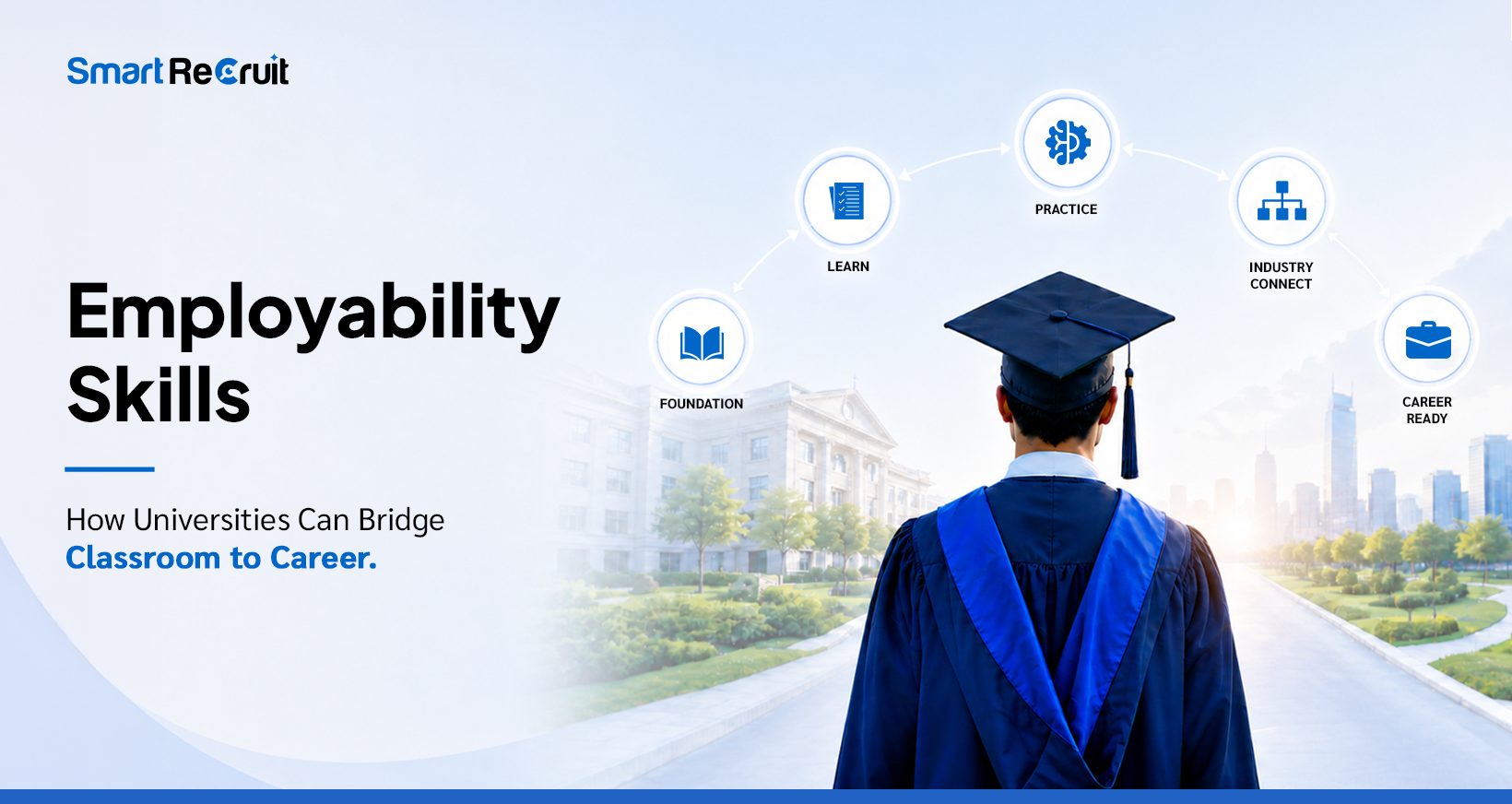
Building a successful career starts long before graduation. Universities have an opportunity to help students turn academic learning into capabilities they can demonstrate in professional environments. Strong employability skills help graduates apply knowledge, solve problems, communicate effectively, use technology, and adapt to change.
This article outlines practical ways university leaders and educators can strengthen student employability, align learning with employer needs, and prepare graduates for changing workplaces. It also explores how institutions can identify skill gaps and create clearer pathways from classroom learning to meaningful career opportunities.
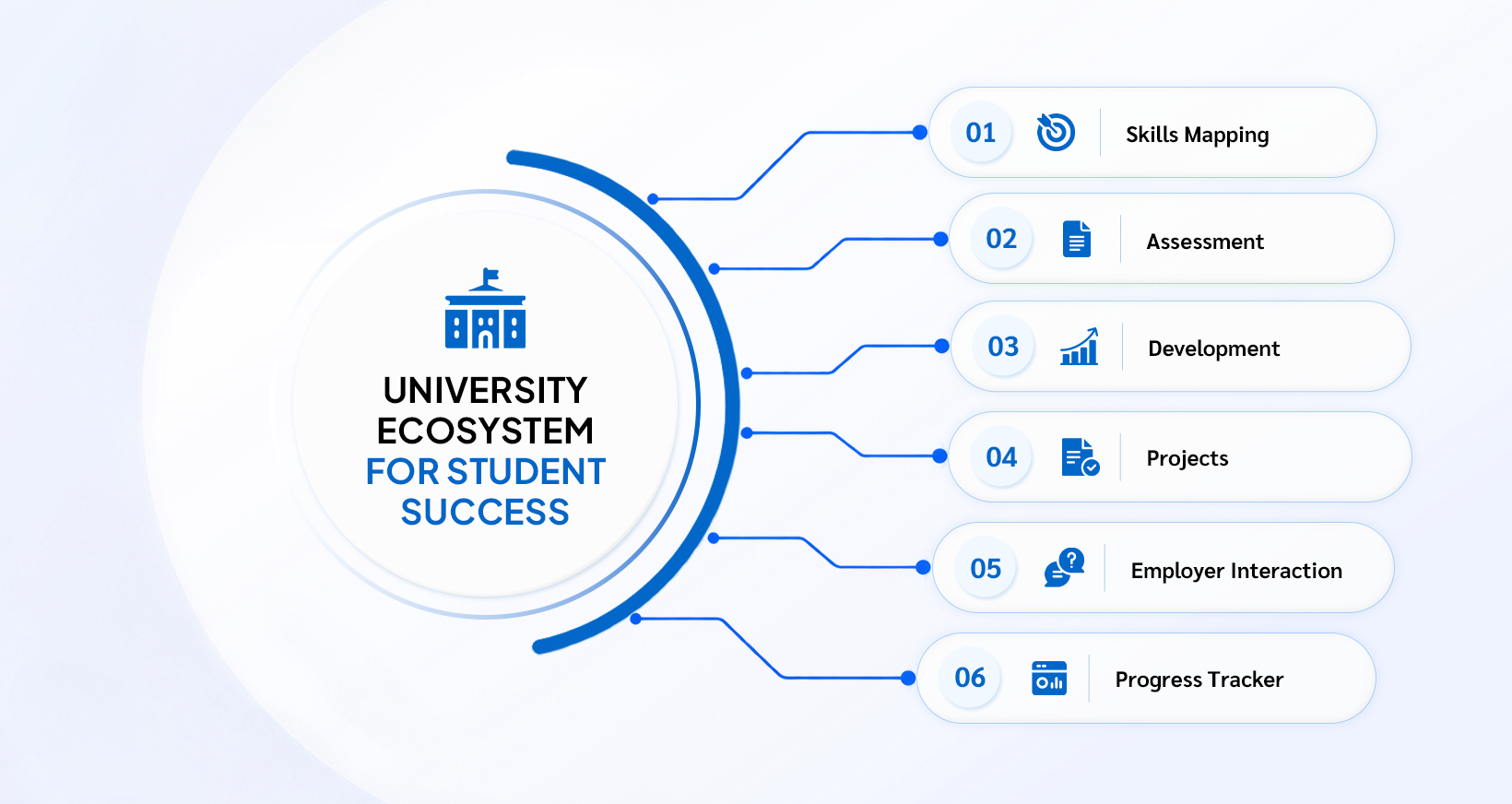
Through assessment, practical learning, and employer interaction, universities can understand what students can do, where gaps exist, and which capabilities need development.
Why Employability Skills Matter to Universities and Employers
Graduate employability is an important measure of how effectively universities prepare students for life beyond the classroom. Academic achievement remains essential, but employers also need graduates who can apply what they have learned through strong professional skills.
For universities, the bigger question is whether students have the capabilities to perform, adapt, and continue learning once they enter the workplace.
For employers, graduates with relevant skills can contribute more effectively to real business situations. When these capabilities are missing, organizations may need to invest additional resources after hiring.
The connection is direct:
Student Capabilities → Employability Skills → Hiring Readiness → Workforce Contribution
What Makes Employability Skills Essential for Career Readiness?
Students need capabilities that help them apply knowledge, solve problems, collaborate, and adapt to workplace demands. Universities can develop these capabilities through academic learning, practical application, and exposure to professional expectations.
Research from the OECD on the skills employers seek in graduates highlights the importance of understanding employer expectations when shaping higher-education skills development.
- Technical Skills and Digital Capability
Students need role-relevant knowledge, digital literacy, and familiarity with technologies shaping modern workplaces. Universities can strengthen these technical skills by giving students opportunities to apply them in realistic contexts.
- Analytical and Problem-Solving Skills
Employers value graduates who can apply concepts to real business situations. Critical thinking, decision-making, structured problem-solving, and evaluating information are important employability skills across many roles.
Practical, hands-on learning helps students practice these capabilities before entering employment.
- Professional Skills
Communication, collaboration, leadership, adaptability, and resilience influence how effectively graduates work with others. These professional skills help students navigate professional environments and work effectively with others.
- Workplace Readiness
Students also need to understand professional expectations, manage deadlines, take accountability, communicate professionally, and work effectively within organizational structures.
The Skills Gap Between Academic Learning and Job Requirements
The transition from education to employment can become difficult when academic learning, evolving skills requirements, and employer expectations are not aligned. Students may understand concepts but have limited opportunities to apply them to real business problems.
A graduate may hold the right qualification but still need stronger problem-solving, communication, adaptability, or digital capabilities. Student assessment can help universities understand whether students are developing the capabilities expected for specific roles.
The World Economic Forum’s Future of Jobs Report 2025 projects that nearly 40% of the skills required on the job are expected to change by 2030. Universities therefore need continuous visibility into employer expectations so career preparation can evolve with the labor market.
How Universities Can Build Employability Skills
Building employability skills requires a structured approach that connects student capabilities with workforce requirements and employer expectations.
- Map Skills to Real Job Roles
This approach connects student capabilities with specific job requirements rather than relying on generic skill development. It also helps students understand which capabilities they need for their chosen roles.
- Assess Students Early
Regular assessment can identify strengths and gaps before students reach their final year. Early insight gives universities time to provide targeted development and improve workplace readiness.
- Personalize Skills Development
Students have different capabilities and career goals. Development pathways should reflect individual needs and focus on relevant skills, experiences, and opportunities.
- Bring Real-World Projects Into Learning
Business cases, simulations, industry projects, presentations, and problem-solving exercises help students apply academic knowledge in realistic situations. Practical learning also helps them understand workplace expectations and build confidence.
- Increase Employer Interaction
Employers can provide insights into emerging skills and role expectations. University-industry collaboration can create opportunities for internships, mentoring, projects, and direct employer interaction.
Smart Recruit can help universities bring these capabilities together by creating greater visibility into student skills, identifying gaps, and connecting talent with relevant opportunities.
Smart Recruit and start your 2-week free trial.
From Placement Support to a Continuous Employability Model
For many universities, employability has traditionally followed:
Education → Graduation → Placement
While placement outcomes remain important, this model concentrates attention on the final stage. A stronger approach is:
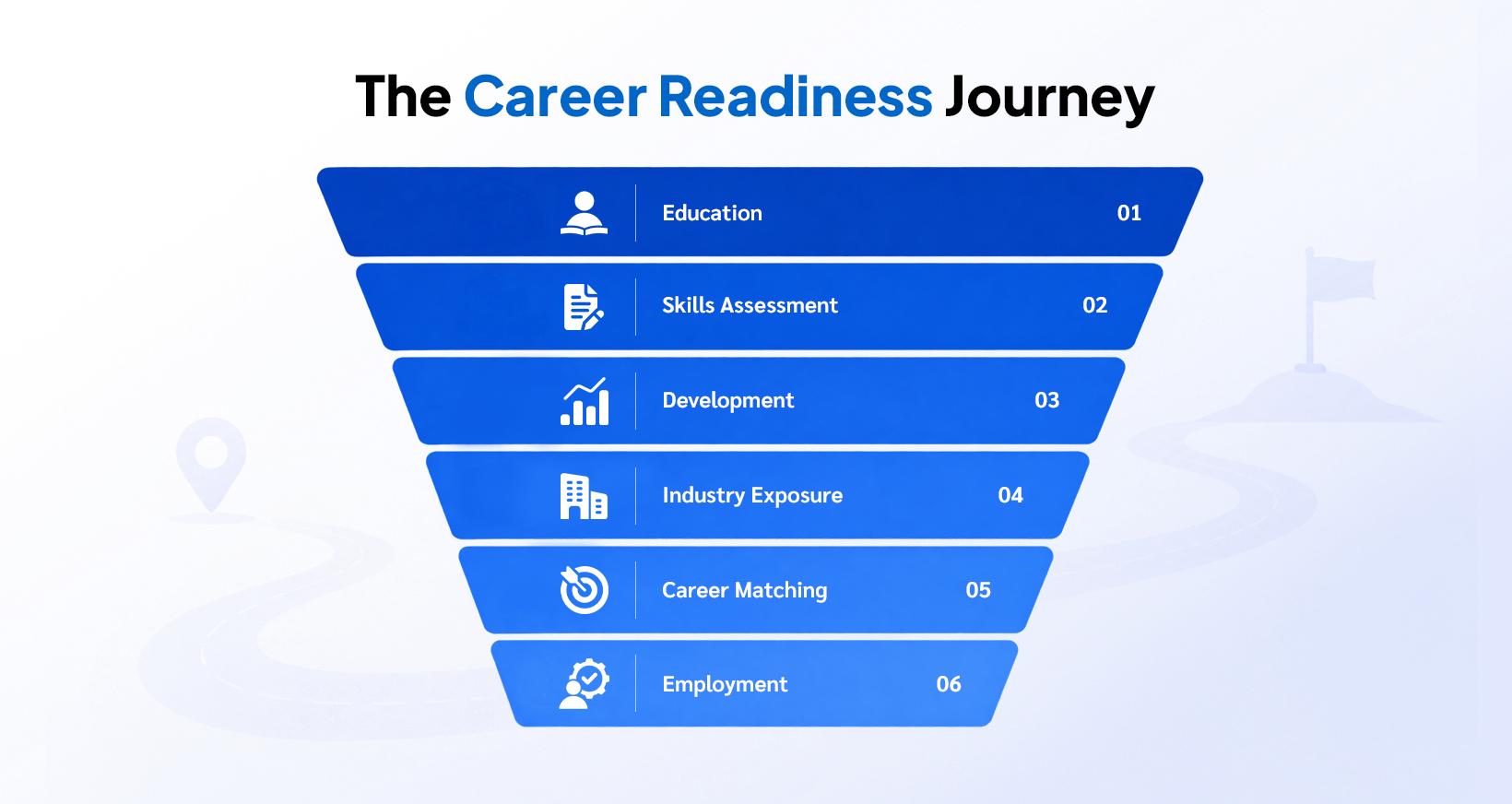
Education → Skills Assessment → Development → Industry Exposure → Career Matching → Employment
This allows universities to identify gaps early, provide targeted skills development, expose students to workplace expectations, and connect student profiles with relevant opportunities.
For university leaders, the shift is from measuring only placement outcomes to building measurable talent readiness.
Building a Stronger University-Industry Talent Pipeline
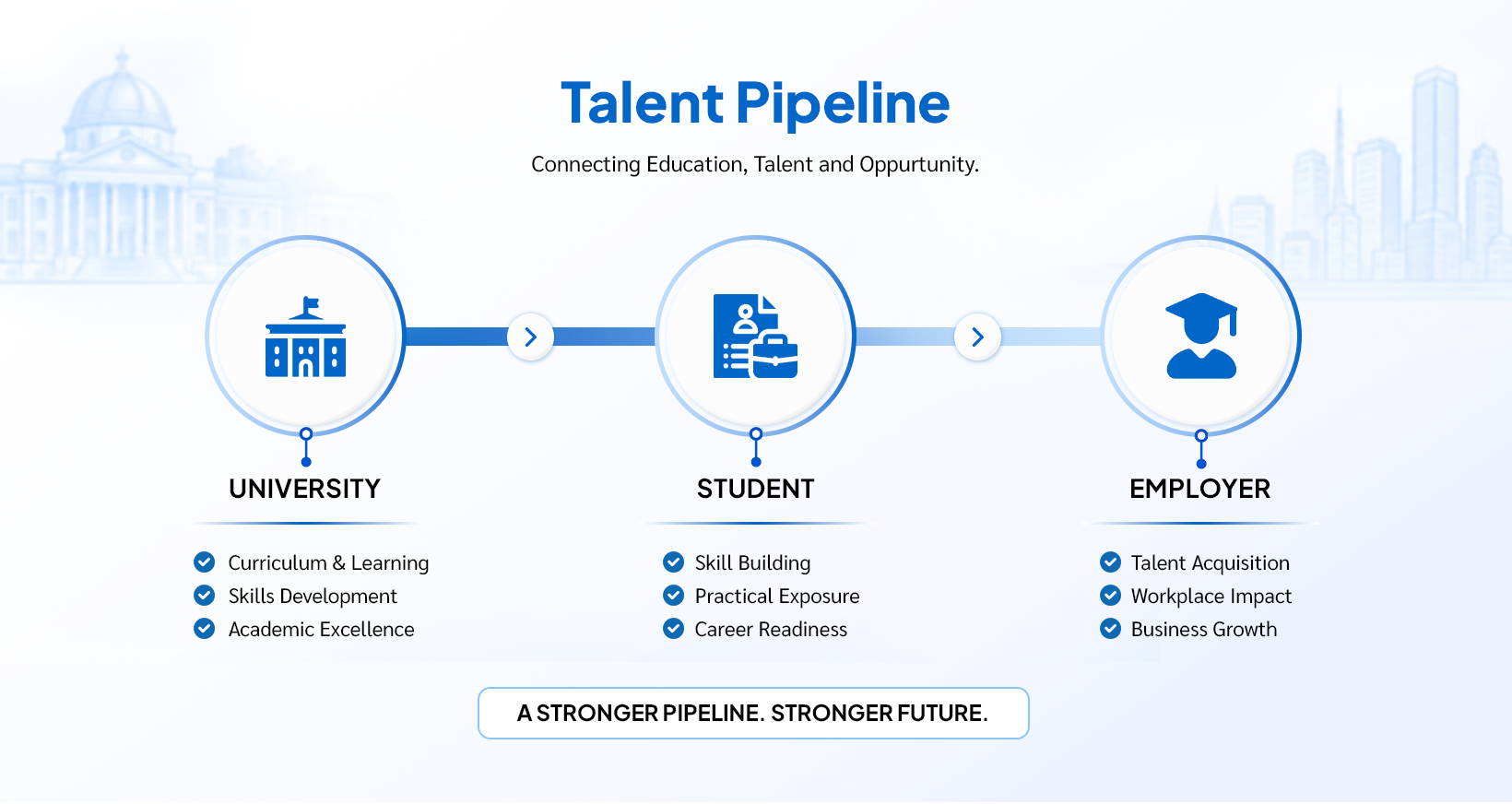
Technology can make career readiness more connected and measurable. It can give academic and career teams better visibility into student capabilities, skill gaps, and employer expectations, while approaches such as competency-based interviews can help organizations evaluate candidates against consistent, role-specific criteria. At an institutional level, employability data can reveal recurring gaps across cohorts and highlight where career programmes need to evolve.
Assess → Identify Gaps → Develop Skills → Measure Progress → Connect to Opportunities
What Universities Can Learn From Enterprise Hiring
Modern enterprises are increasingly shifting from qualification-led hiring toward skills-based and competency-based approaches. Instead of evaluating candidates only on credentials, hiring teams consider the capabilities required for a role and the evidence candidates can demonstrate.
Universities can apply the same thinking earlier:
Skills → Competencies → Role Requirements → Evidence → Hiring Decisions
Students can understand which capabilities specific roles require, assess where they stand, and build evidence through relevant learning and practical experiences.
This changes the question from:
“Does this student have a degree?”
to:
“What can this student do, and which opportunities are they ready for?”
This approach supports stronger talent readiness by connecting academic learning, skills development, practical exposure, and employer requirements.
Building a Stronger University-Industry Talent Pipeline
Preparing students for employment cannot be the responsibility of universities or employers alone. A stronger talent pipeline emerges when both sides share expectations, knowledge, and feedback.
Universities provide education, assessment, skills development, and career preparation. Industry provides real-world requirements, role expectations, workplace exposure, hiring opportunities, and feedback on emerging skills.
When these inputs are connected, students gain a clearer understanding of where their capabilities fit, universities gain better visibility into workforce needs, and employers gain access to more relevant talent.
The Future of University Employability Is Data-Driven
The future of university employability will be shaped by faster-changing skills and increasingly flexible career pathways. Employers need stronger evidence of what candidates can do, while universities need better visibility into student capabilities and readiness.
Student assessment and data-driven career development can help institutions identify emerging requirements and make decisions based on evidence. The goal is not simply to produce more graduates, but to help graduates develop relevant employability skills and demonstrate them in a changing world of work.
Conclusion: From Degrees to Career Readiness
A university’s responsibility does not end when a student earns a degree. Success also depends on whether students can translate learning into capabilities organizations value.
Building employability skills requires universities to connect learning, assessment, practical experience, employer expectations, and career opportunities. Technology can support this journey by making capabilities more visible and development more measurable.
Smart Recruit can help universities support a structured, data-driven approach to talent readiness by connecting capabilities with relevant opportunities.
Ready to build a stronger bridge between education and employment?
Smart Recruit and start your 2-week free trial.
Frequently Asked Questions
What are employability skills and why do universities need to build them?
Employability skills are capabilities that help graduates apply knowledge effectively in professional environments. They include problem-solving, communication, adaptability, collaboration, digital capability, and role-relevant skills. Universities need to develop these capabilities because academic qualifications alone may not show whether students can perform effectively at work. A structured approach helps institutions prepare students for changing career expectations and gives graduates stronger foundations for entering and progressing in employment.
How can universities align student development with job requirements?
Universities can align development with job requirements by identifying the competencies associated with specific roles and connecting them with student learning. This can include regular assessment, practical projects, employer interaction, and targeted development programmes. Understanding employer expectations helps institutions identify capability gaps earlier and provide students with relevant opportunities to strengthen their readiness before they begin applying for roles.
What role do technical skills and professional skills play in employability?
Technical skills help graduates perform tasks associated with their roles, while professional skills influence how effectively they communicate, collaborate, solve problems, and adapt within an organization. Both contribute to employability. Universities can strengthen these capabilities by combining academic learning with practical application and opportunities that allow students to demonstrate what they can do in realistic professional contexts.
How does competency mapping improve workplace readiness?
Competency mapping connects the capabilities required for specific roles with the capabilities students currently demonstrate. It helps universities identify strengths and gaps earlier and create targeted development pathways. When students understand the competencies expected for their chosen careers, they can focus their learning more effectively. It also gives educators a clearer basis for tracking progress and deciding where additional support, training, or practical exposure may be most valuable.
How can technology support employability and workplace readiness?
Technology can help universities create student skill profiles, conduct structured assessments, identify capability gaps, and connect capabilities with relevant opportunities. It can also support progress tracking and analysis of changing employer expectations. With better visibility into student capabilities, institutions can make development decisions based on evidence and provide more personalized pathways. This can help students understand their strengths, address gaps earlier, and approach career opportunities with greater confidence.
Related Posts
Discover other posts that deepen your understanding of smart hiring, from AI-led interviews to streamlined candidate management techniques.
-
 Interview Panel Framework
Reduce Hiring Delays and Improve Decision Quality
-
 AI Hiring Platforms:
Why They Fail at Scale and How Smart Recruit Builds Decision-Driven Hiring